

How to Build Landing Pages That Convert: A Practical Guide
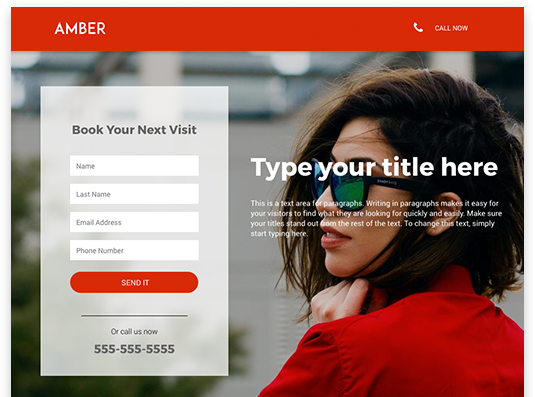
A landing page has one job: get the visitor to take a single specific action. That's what separates it from your homepage. A website invites exploration — services, about, portfolio, blog. A landing page removes every exit that isn't the one you want them to take.
What Makes a Landing Page Different From a Web Page
Most pages on your site serve several goals at once. A landing page serves one, defined by a single call-to-action: request a quote, book a consultation, download the guide, start the trial. Everything on the page either moves the visitor toward that action or gets cut.
This is why landing pages usually strip out the main navigation. Every menu item is an opportunity for someone to wander off before converting.
Start Above the Fold
The most important part of any landing page is what's visible the instant it loads, before anyone scrolls. We call this "above the fold," a term borrowed from newspapers, because it requires no action from the user to see.
That space needs three things: a headline that states what you do and for whom, one sentence of supporting detail, and the call-to-action button. Not a carousel, not a mission statement — the offer and the button. If a visitor has to scroll to understand what you're selling, most of them won't.
The Anatomy of a Page That Converts
- One clear CTA, repeated: Same action, same button text, three or four times down the page. Different CTAs compete with each other and split the decision.
- A headline that matches the ad or link that brought them: If your ad promised "free roof inspection," the landing page headline says free roof inspection. Mismatch kills conversion faster than bad design.
- Proof close to the ask: Testimonials, project photos, or real numbers placed right before each CTA — people convert when the doubt is answered at the moment of decision.
- Short forms: Every additional field costs you submissions. Name, email, and one qualifying question beats a twelve-field intake form.
- Fast load times: A landing page that takes four seconds to appear has already lost a share of the visitors you paid to send there.
That last one gets overlooked constantly. Landing pages are usually the destination for paid traffic, which means every slow load is money spent on a visitor who left. Speed optimization matters more here than anywhere else on your site.
Common Landing Page Mistakes
- Sending paid traffic to your homepage instead of a dedicated page built for that offer.
- Writing about your company instead of the visitor's problem.
- Burying the CTA below three screens of background copy.
- Using vague button text like "Submit" or "Learn More" instead of naming the action: "Get My Free Quote."
- Building the desktop version first and letting the mobile layout fall where it may — most paid traffic arrives on a phone.
How Landing Pages Fit Your Larger Site
Landing pages work best as part of a structure, not as one-offs. Service-area pages, campaign pages, and offer pages each target a specific search intent and funnel to a specific action — which also gives Google and AI search tools clear signals about what you do and where you do it.
We build these into every site as part of our website design work, so the landing pages match the brand and load on the same fast infrastructure as the rest of the site.
Landing Page Questions, Answered
How many landing pages does a business need?
One per distinct offer or audience. A contractor running separate campaigns for roof replacement and kitchen remodels needs two — each with a headline, proof, and CTA matched to that specific search. One generic page serving both converts worse than either dedicated page.
Should a landing page have navigation?
Usually not. Removing the main menu keeps visitors focused on the single action the page exists for. Keep a logo linking home and the essentials in the footer, but every extra menu item is an exit route.
How long should a landing page be?
As long as it takes to answer the objections standing between the visitor and the action — no longer. A simple offer might need one screen. A high-cost service usually needs proof, FAQs, and multiple CTAs down a longer page.
How do I know if my landing page is working?
Track conversion rate, not traffic — submissions divided by visitors. If traffic is healthy and conversions aren't, the problem is the page. A free AI website audit checks the technical side: load speed, mobile performance, and whether anything on the page is quietly breaking.
Ready to Build Pages That Actually Convert?
If you're sending traffic to a page that isn't producing leads, the fix is usually structural, not cosmetic. Start with an audit and we'll show you exactly where visitors are dropping off.
Future Site Designs Knowledge Center


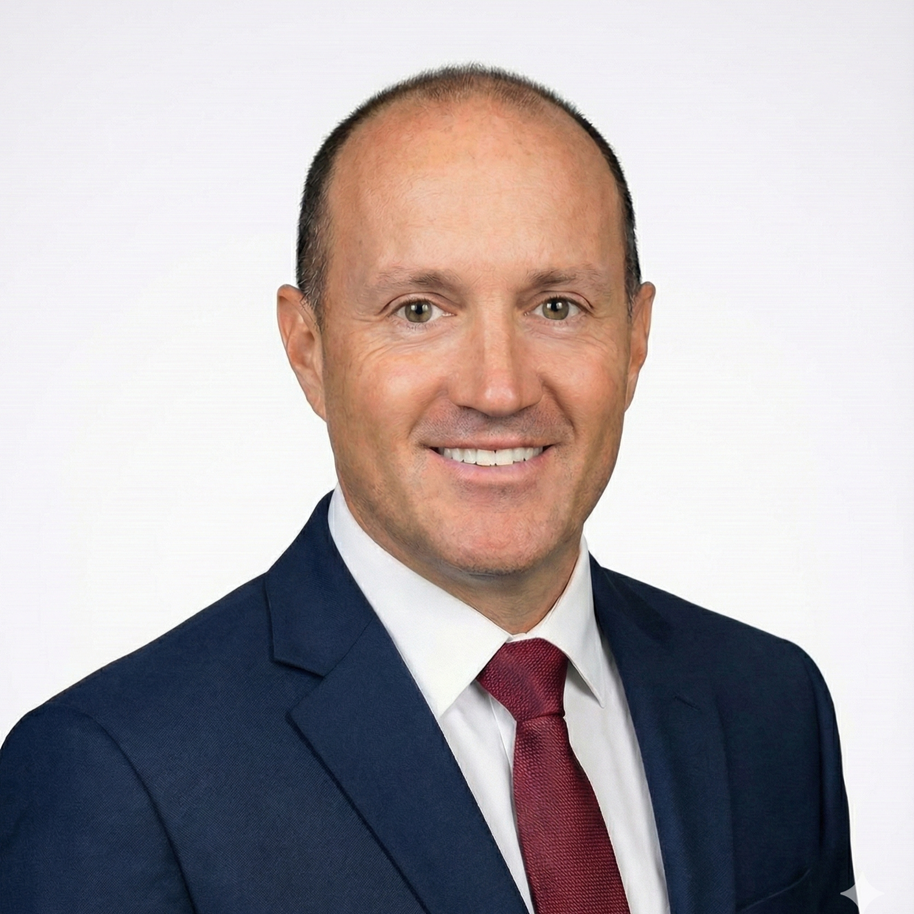
About the Author: Jeromy Schall
Jeromy Schall is the CEO, Founder, and Customer Manager of Future Site Designs, a digital marketing and web development agency he founded in Orlando in 1998. He specializes in the intersection of technical engineering and sales-driven architecture.
Digital Strategist and Founder of Future Site Designs, Est. 1998
Having navigated nearly three decades of digital evolution, Jeromy shares practical guidance for businesses scaling in the 2026 landscape. As a frequent contributor to the Future Site Designs Knowledge Center, he writes about AI-driven SEO, answer engine optimization (AEO), and mobile-first design.
Customer Management and Sales Leadership
In his role as Customer Manager, Jeromy provides high-level strategic leadership to the agency's sales and operational divisions. He is responsible for supervising customer engagement teams and ensuring that every project is engineered to meet rigorous sales targets and operational growth benchmarks.
AI-Driven SEO and Web Engineering
His expertise is centered on creating intelligent digital ecosystems that are secure, lightning-fast, and optimized for generative search engines like Perplexity and Gemini. His leadership keeps Future Site Designs focused on white-label development and conversion-focused web architecture.
Waterski Broadcasting and Media Production
Beyond his leadership at Future Site Designs, Jeromy works in broadcasting and media production for waterski world championships. That hands-on media production experience adds a real-world perspective that is unusual in the digital agency space.