

Why Your Website Traffic Dropped and What Actually Gets You Cited in AI Search

If your Google rankings have held steady but your clicks keep falling, nothing is broken on your website. Ranking position and traffic have come apart. A page can sit in the top ten and still never appear in the AI-generated answer at the top of the results, and that answer is where a growing share of searchers stop reading. Getting cited in that answer is now a separate job from ranking, and it is a job you can actually do.
Since 1998, Future Site Designs has built and optimized websites for businesses across Orlando and Central Florida. Over the past year we rebuilt our own site page by page for exactly this problem — every page, every schema block, every heading. What follows is what actually mattered and what turned out to be noise.
How to Tell If This Is What Happened to You
Open Google Search Console and look at the last twelve months of your Performance report. The pattern to look for is specific: impressions flat or rising, average position flat or improving, clicks falling. That combination means people are still finding you in search results and choosing not to click, because they got their answer before they got to you.

If impressions are also falling, you have a different problem — indexing, a technical issue, or lost rankings — and the fixes below will not help until that is sorted out. Check your Pages report for coverage errors first.
What This Looks Like in Practice
Informational pages get hit hardest. A blog post answering a question loses clicks first, because the AI answer can fully replace it. Pages with buying intent — service pages, contact pages, pricing pages — hold up better, because someone ready to hire still needs to reach a real business. If your blog traffic collapsed but your service pages held, that is the shape of this shift.
The Three Things That Actually Get a Page Cited
Answer engines extract from pages that make extraction easy. That comes down to structure, specificity, and speed.

1. Answer the Question in the First Two Sentences
Open every page and every major section with a direct, self-contained answer before you provide context or background. Not a hook, not a preamble, not a paragraph about why the topic matters. If someone read only those two sentences, they should have the answer. This single change does more than any other on the list, because it puts an extractable block exactly where systems look for one.
The same rule applies section by section. Every H2 on the page should be followed immediately by a short paragraph that answers the heading, with the elaboration coming after.
2. Be Specific Enough That Nobody Else Could Have Written It
Generic advice is infinitely available, so there is no reason for any system to cite your version of it. Named tools, real numbers, actual dates, specific locations, and first-hand results are what make a page worth pulling from. When we rebuilt Reliance Lake Homes on a performance-first framework, their Core Web Vitals score went from 34% to 95%. That is a citable sentence. "We improve site performance" is not.
For a local business this also means naming your actual service area. Orlando, Lake Nona, Belle Isle, Pine Castle, Winter Garden, Kissimmee — the specific places you work, stated plainly, in your copy and in your structured data.
3. Structure the Page So a Machine Can Parse It
Use a clean heading hierarchy — one H1, then H2s for major sections, then H3s beneath them, with no skipped levels. Put your structured data in the page header as valid JSON-LD. Keep paragraphs short and put lists in actual list markup rather than in run-on sentences. None of this is new SEO advice, but it matters more now than it did, because the parsing is doing more work.
What Does Not Work, No Matter Who Tells You It Does
Three pieces of advice circulating right now are wasting people's time and money.
- llms.txt files. Google confirmed in June 2026 that no special file or markup is required for a page to be eligible for AI Overviews or AI Mode. Adding one does nothing.
- FAQPage schema. Google discontinued FAQ rich results in May 2026. Visible FAQ sections on your page still help readers and still get parsed. The FAQPage schema type no longer earns anything, and we removed it from every page on this site.
- Writing for the machine instead of the reader. Keyword variants, synonym stuffing, and awkward phrasing meant to match how someone might phrase a query to an AI assistant all get handled automatically. It reads badly to humans and buys nothing.
Skip all three and put the time into the first section instead.
What to Do This Week If You Are Not Technical
You do not need a developer for most of this. Four things, in order.
- Pull your last twelve months in Google Search Console and confirm the impressions-flat, clicks-down pattern before you change anything.
- Take your five most important pages and rewrite the opening of each one so the first two sentences answer the question the page exists to answer.
- Go through those same five pages and replace every vague claim with a specific one — a real number, a real place, a real client outcome.
- Check your page speed. A page that loads slowly gets less of everything, including citations. Our website performance optimization work starts here for exactly that reason.
After that, structured data is the piece worth handing to someone who does it professionally, because a malformed JSON-LD block is worse than none at all.
Frequently Asked Questions
Does ranking on page one still matter?
Yes. Ranking well remains the foundation, because answer engines draw heavily from pages that already rank. What changed is that a top-ten position no longer guarantees you appear in the AI answer above the results. Treat ranking as necessary but no longer sufficient.
How long does it take to recover traffic?
Expect three to six months before changes show clearly in Search Console. Search systems need to recrawl, reprocess, and re-evaluate your pages, and AI citation patterns shift more slowly than rankings do. Anyone promising results in weeks is guessing.
Do I need to rebuild my whole website?
Usually no. Most of the work is rewriting openings, fixing heading structure, and adding valid structured data — all of which happen inside your existing design. We rebuilt this site page by page without changing the layout of a single page.
Does the platform I am on affect AI visibility?
Indirectly, through speed and technical cleanliness. We build exclusively on Duda hosted on AWS because it renders fast and gives clean, parseable output without plugin bloat. Any platform that loads quickly and produces clean HTML can work. A slow, plugin-heavy site makes every other fix less effective.
Should I stop blogging if AI answers the questions anyway?
No, but change what you blog about. Posts that restate widely available information have little value now. Posts built on your own data, your own client results, and your own first-hand experience are the ones that get cited, because they are the only place that information exists.
Serving a local market? Here is how AI answers pick which local business to name.
Where to Start
If you are not sure which of these problems you have, we will tell you. Our free AI website audit covers your site's speed, structure, schema, and AI search readiness, and you get the results back in one business day with specific fixes rather than a generic score. If you would rather hand the whole thing off, that is what our AI-driven SEO service is for.
Future Site Designs Knowledge Center


About the Author: Jeromy Schall
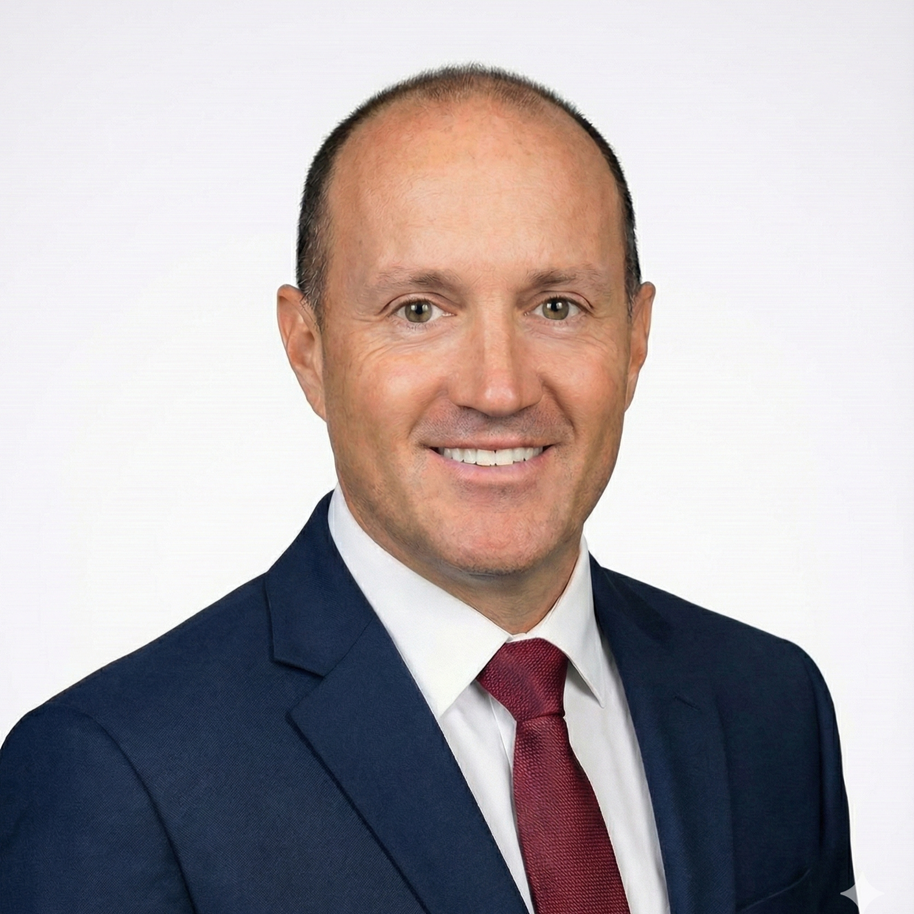
Jeromy Schall is the founder of Future Site Designs, an Orlando-based web design and digital marketing agency established in 1998. His work focuses on website development, technical SEO, website performance, and digital strategies that help businesses reach customers online.
Digital Strategist and Founder
Since 1998, Jeromy has worked through decades of changes in website technology, search engines, and digital marketing. He shares practical guidance through the Future Site Designs Knowledge Center on AI-driven SEO, website design, search visibility, and mobile performance.
Website Strategy and Customer Management
Jeromy works directly with clients to understand their business goals and develop website solutions around their needs. His approach combines technical planning, clear communication, and practical recommendations to help businesses improve their online presence.
AI-Driven SEO and Web Engineering
His areas of expertise include technical SEO, website performance, secure website infrastructure, and optimizing content for search engines and AI-powered search tools such as Perplexity and Gemini. Future Site Designs also provides white-label website development for agencies.
Waterski Broadcasting and Media Production
Outside of web development, Jeromy works in broadcasting and media production for waterski world championships. This experience extends his work beyond websites into video production, live event coverage, and digital media.